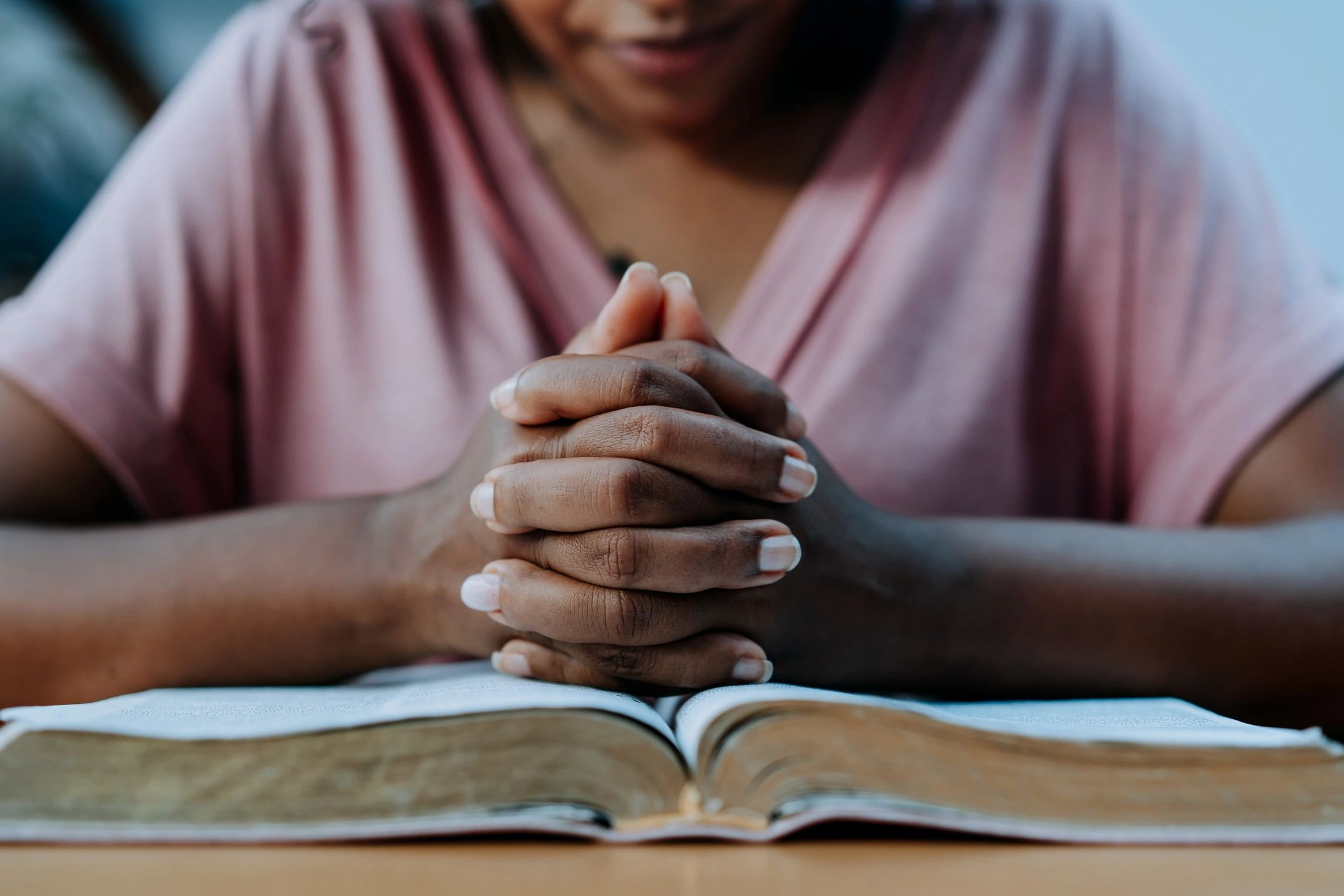
Whole-Person Healing: A Biblical Path for Spirit, Soul, and Body
A simple framework you can begin practicing today—rooted in Scripture, guided by the Holy Spirit, and lived out in community.
Many believers carry a quiet question: “If God heals, why do I still feel stuck?” Sometimes the struggle is physical. Sometimes it’s emotional. Sometimes it’s spiritual—an ache in the soul that doesn’t have easy words. At Whole People – Whole World, we teach that God’s healing is not limited to one area of life. His desire is restoration that reaches the whole person—spirit, soul, and body—and then flows outward through the Church into the world.
This post introduces a biblical, practical way to think about whole-person healing and offers a few next steps you can begin right away.
1) Start with God’s heart: healing is part of His kingdom
Throughout Scripture, God reveals Himself as the One who restores. Jesus didn’t only preach the kingdom—He demonstrated it with compassion, truth, deliverance, and healing. Whole-person healing begins when we stop treating restoration as an “extra” and recognize it as part of God’s loving reign.
When we align with God’s heart, we begin to expect His presence to touch every part of life—not just the parts we can manage.
2) Name what’s happening: spirit, soul, and body often overlap
One reason people feel stuck is that pain rarely stays in one “category.” A physical diagnosis can stir fear. A season of grief can affect sleep and energy. A pattern of shame can shape relationships and even how we pray. Healing becomes clearer when we gently ask, “Where is this showing up?”
- Spiritual: confusion about God’s character, condemnation, spiritual oppression, difficulty receiving love
- Emotional: anxiety, numbness, unresolved grief, anger, trauma responses
- Physical: chronic stress in the body, fatigue, pain, illness, tension patterns
We don’t label these to overanalyze—we name them so we can invite Jesus into the real places we live.
3) Practice a simple rhythm: Receive, Renew, Respond
Receive
Begin with God’s presence. Ask for His love and truth to meet you where you are. Sometimes healing starts with permission to be honest—without fear of rejection.
Renew
Let the Lord reshape what you believe. Renewing the mind is not willpower; it’s discipleship—learning to agree with God over time, especially in the places you’ve carried lies or wounds.
Respond
Take one faithful step. That might be forgiveness, seeking wise counsel, changing a habit, asking for prayer, or bringing your body into rest and care. Small obedience creates room for lasting fruit.
4) Don’t heal alone: God often restores through community
Isolation intensifies pain. In the New Testament, healing and discipleship are deeply connected to the life of the Church—confession, prayer, encouragement, and bearing one another’s burdens. If you’ve been trying to “push through” on your own, consider this a gentle invitation back into safe, prayerful community.
A short prayer to begin
Jesus, I bring You my whole self—spirit, soul, and body. Show me where You want to heal, what You want to restore, and what step You’re inviting me to take. Give me courage to receive Your love and humility to walk with others. Amen.
Want to go deeper?
If your church, ministry team, or event is looking for biblically grounded teaching on spiritual, emotional, and physical healing, we’d be honored to serve. You can also explore our growing library of resources.